SJ Vehicle Inspections
Expert Aerial Truck Inspections
Expert Aerial Truck Inspections
We help owners, fleet managers, and tree companies understand aerial truck inspection expectations and document equipment condition in a way that supports safer operation, maintenance planning, and compliance readiness.
For most customers, the big picture is this: OSHA expects aerial lifts to be used safely, operated by trained people, inspected before use, and kept in safe working condition. ANSI/SAIA A92.2 is the current industry consensus standard for vehicle-mounted aerial devices and covers inspection, maintenance, training, and operation. Our inspections help you document condition, identify issues, and show that safety requirements are being taken seriously.
The OSHA rules most often associated with vehicle-mounted aerial lifts are 29 CFR 1910.67 for general industry and 29 CFR 1926.453 for construction. These rules point to core safety expectations that matter during inspections and day-to-day operation.
Lift controls must be tested each day prior to use, and equipment should be checked to confirm it is in safe working condition before operation.
Only trained or authorized personnel should operate the lift, fall protection must be used as required, and manufacturer load limits must not be exceeded.
Outriggers, pads, brakes, wheel chocks, and boom cradle position matter. A truck should not be moved with the boom elevated unless designed for that operation.
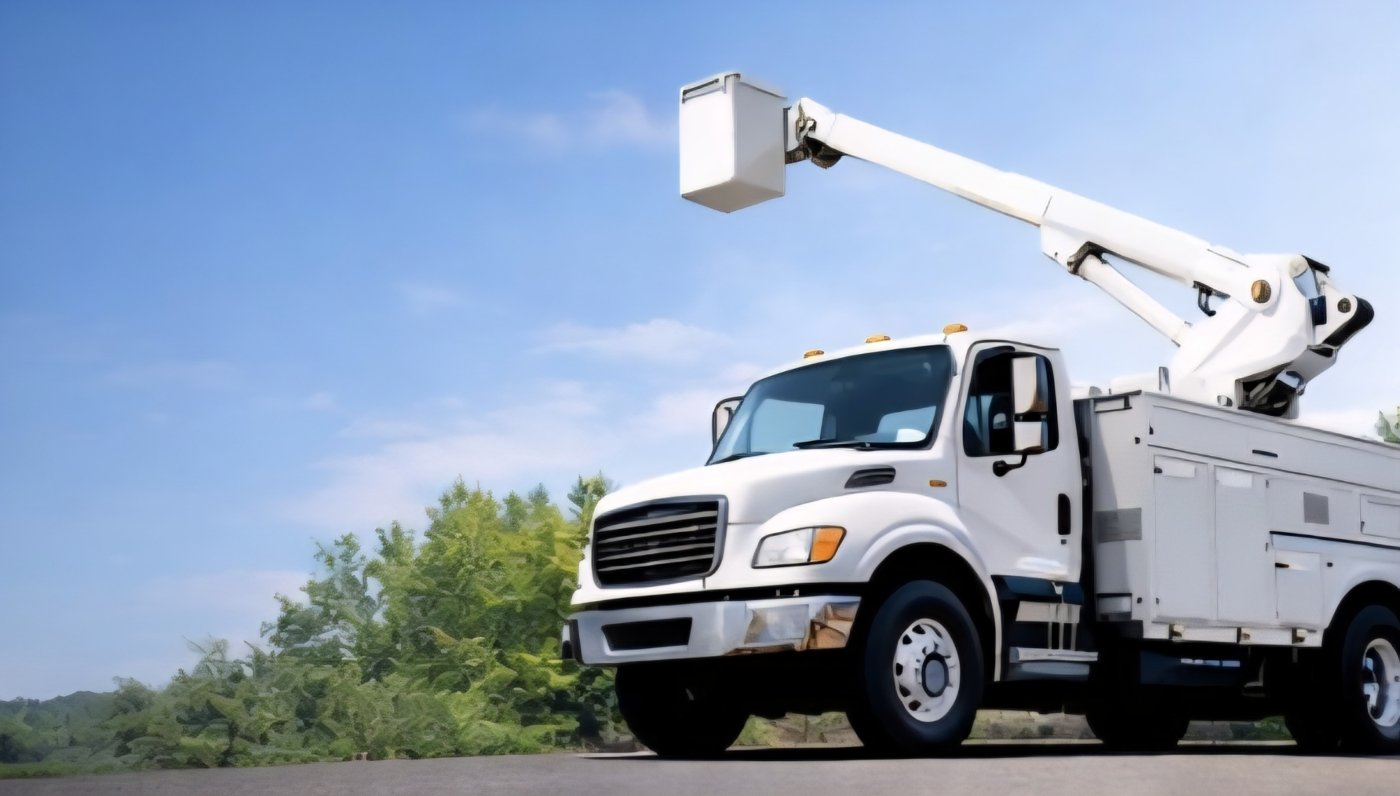
ANSI/SAIA A92.2 is the current American National Standard for vehicle-mounted elevating and rotating aerial devices. It applies to design, manufacture, testing, inspection, installation, maintenance, use, training, and operation.
On the compliance side, that means owners and fleet managers should think beyond a one-time lookover. A strong program includes routine pre-start checks, periodic inspection attention, proper maintenance, documentation, and operator awareness.
For tree companies, this matters even more because aerial equipment often works around debris, branch impact, uneven terrain, and frequent repositioning.
These are the kinds of items companies should keep in view when trying to satisfy ANSI and OSHA expectations. We can help inspect, document, and organize this process.
Tree work puts unique stress on aerial trucks. Operators often work around limbs, chips, sap, uneven ground, repeated setup cycles, and changing jobsite conditions. That can accelerate wear and make small issues easier to miss.
Because of that, tree companies benefit from inspections that are practical, equipment-focused, and based on real field use - not just paperwork.
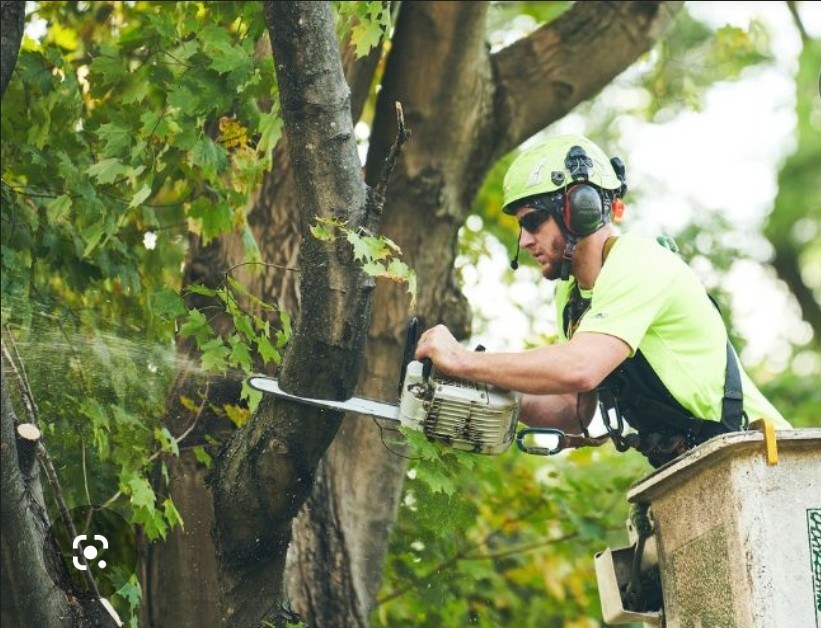
We can inspect your aerial truck, document equipment condition, identify visible safety concerns, and help support a more organized compliance process.